Northern Ontario Mining Museum
OPEN EVERYDAY
June 1 to September 30 - 9:00 am to 5:00 pm October 1 to May 31 - 1:00 pm to 4:00 pm
OR BY APPOINTMENT
PO BOX 215 COBALT, ON P0J 1CO CANADA (705) 679-8301
Email:
This e-mail address is being protected from spambots. You need JavaScript enabled to view it
See What The Cobalt Mining Museum Has To Offer:
* The World's Largest Display of Native Silver Ore * Unique Collection of Mining and Prospecting Equipment and Artifacts * Displays and Exhibits Highlighting the Social and Cultural Life of the Cobalt Camp in the Early 1900's * Fluorescent Rock Display * Hand-crafted One of a Kind Silver Jewellery * Heritage Silver Trail and Colonial Adit Tours
The Birth of Canadian Mining
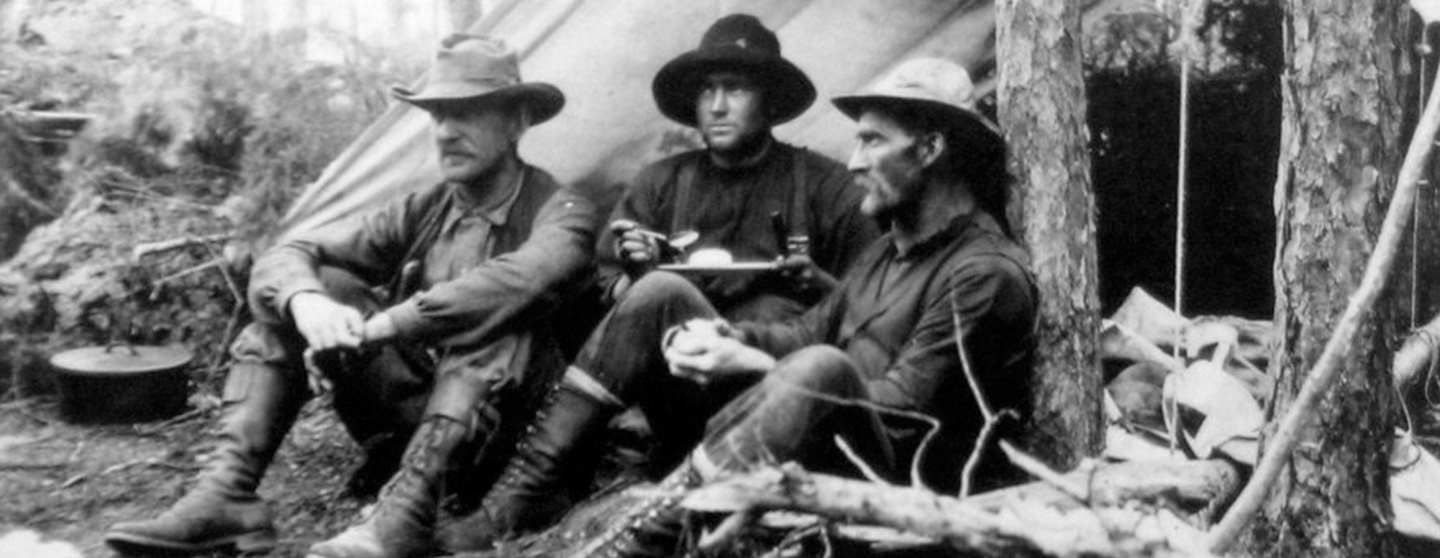
It was August 7, 1903 when J. H. McKinley and Ernest Darragh arrived on the shore of Long Lake (later to be named Cobalt Lake) and made the discovery that would spark one of the richest silver booms Canada had ever seen. It would spawn the birth of several discoveries and it would become the base for what was to develop into the billion dollar Canadian mining industry.
The two men were working for the Temiskaming. Northern Ontario Railroad (now the Ontario Northland Railway) and were cruising for timber for the rail line that was being pushed in from North Bay, 100 miles to the south.
While scouting for rail ties the men spotted some unusual rocks glittering in the water of the lake.
What they found was silver assaying out at an incredible 4,000 ounces to the ton of ore.
Their claim was to become the McKinley-Darragll Mine which by October, 1908, shipped 1,600 tons of both high and low grade ores averaging about 150 ounces of silver to the ton.
Although their claim was the first in Cobalt, it certainly wasn't the last. Once the boom started it seemed as if almost overnight Cobalt sprang into existence to the roar of mining men and their machines.
In all, something over 50 mining properties would be worked, although up to 100 mining companies had been formed to mine the silver wealth.
At its peak approximately 10,000 people lived in Cobalt and it was here that a number of firsts were recorded. Firsts like the first streetcar system north of Toronto, the first Northern Ontario hockey teams and a team in the N.H.A. (forerunner of the N.H.L.), the first detachment of the Ontario Provincial Police and the first and only opera house in Northern Ontario.
And from Cobalt went those who would found Timmins, Kirkland Lake, Rouyn-Noranda, Red Lake and others. Cobalt prospectors fanned out across the globe, founding what were to become the corner stones of the Canadian mining industry.
But like all such rushes the Cobalt Camp carried with it the seeds of its own demise. Little of the $80 million jackpot was left in Cobalt. In fact, the town was never thought of as a permanent community at all. Those who became rich either moved out of the area altogether or built mansions in nearby Haileybury.
With the decline in demand for silver and cobalt, one by one the local mines began to close down and Cobalt saw its population dwindle from 10,000 in the early 1900's to slightly more than 1,400 in 1992.
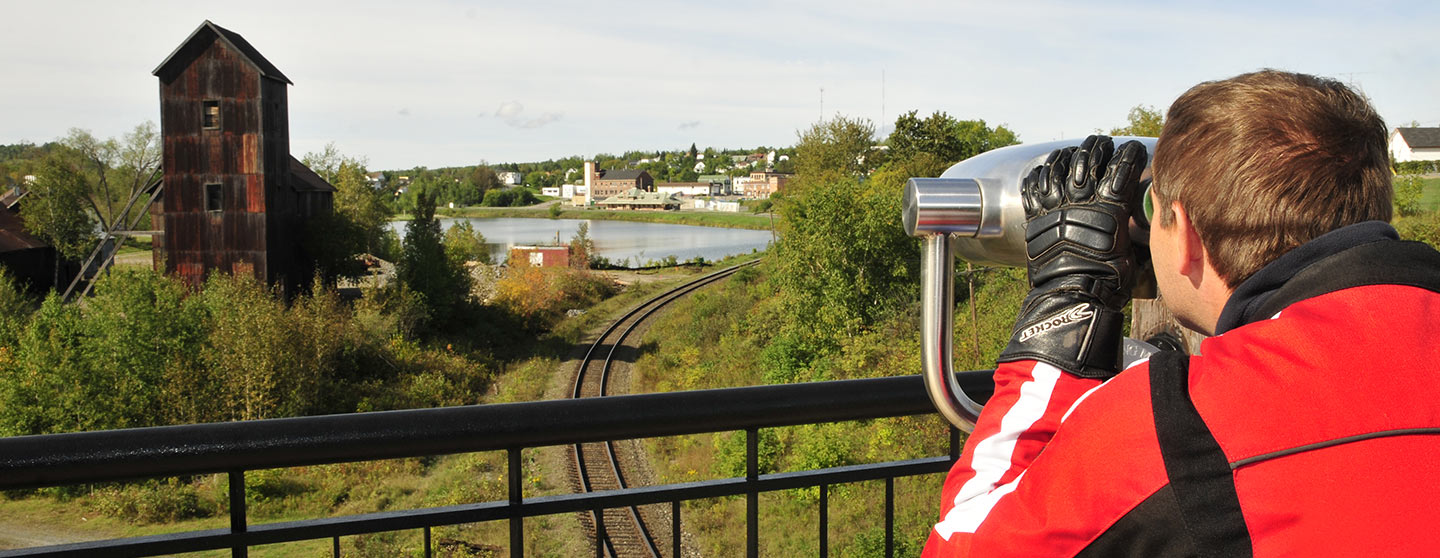
Its quiet no-v, much of the time. But if you strain your ears just a little, and squint your eyes across Cobalt Lake, you can almost see and hear the pounding of hand steel and the raucous laughter of men who have struck a rich vein. You can almost make out the throngs of promoters, miners and wheeling, dealing business men crowding the muddy streets in the hopes of being the ones to strike the great motherlode.
The Preservation of Cobalt's Heritage
Although Cobalt may not be a boom town anymore, many of its residents still remember the stories of the glory days of the Cobalt rush and are not content to allow those days to vanish into the past forever.
The Cobalt Mining Museum strives to preserve as much of Cobalt's past as possible, and as a result boasts the world's largest display of native silver ore as well as an impressive display of rocks and minerals from around the world. The Museum's collection of artifacts, relating not only to mining but to the cultural and social life of the Cobalt camp bring those early days vividly to life.
And as a beautiful memento, visitors can stop at our gift shop and purchase one of a kind hand crafted silver jewellery, fashioned from .999 pure silver from the local mines, or choose from among many other unique local items.
In an effort to stop the decay of the many Cobalt landmarks, the Heritage Silver Trail was established along the far side of Cobalt Lake. This unique self-guided tour of many of Cobalt's famous mine sites draws the tourist back into Cobalt's past, allowing them to explore the very sites where the Cobalt fortune was made.
And to really experience the feel of early silver mining, interested individuals can be taken on a walk-in underground tour of the Colonial Adit by Museum staff. This adit has been maintained in excellent condition and still echoes the days when men carved out these tunnels with hand steel, searching for the vein that would make their fortunes.
All this and much more awaits you at the Cobalt Mining Museum, in the Silver Capital of Canada...
Although Cobalt may not be a boom town anymore, many of its residents still remember the stories of the glory days of the Cobalt rush and are not content to allow those days to vanish into the past forever.
The Cobalt Mining Museum strives to preserve as much of Cobalt's past as possible, and as a result boasts the world's largest display of native silver ore as well as an impressive display of rocks and minerals from around the world. The Museum's collection of artifacts, relating not only to mining but to the cultural and social life of the Cobalt camp bring those early days vividly to life.
And as a beautiful memento, visitors can stop at our gift shop and purchase one of a kind hand crafted silver jewellery, fashioned from .999 pure silver from the local mines, or choose from among many other unique local items.
In an effort to stop the decay of the many Cobalt landmarks, the Heritage Silver Trail was established along the far side of Cobalt Lake. This unique self-guided tour of many of Cobalt's famous mine sites draws the tourist back into Cobalt's past, allowing them to explore the very sites where the Cobalt fortune was made.
And to really experience the feel of early silver mining, interested individuals can be taken on a walk-in underground tour of the Colonial Adit by Museum staff. This adit has been maintained in excellent condition and still echoes the days when men carved out these tunnels with hand steel, searching for the vein that would make their fortunes.
All this and much more awaits you at the Cobalt Mining Museum, in the Silver Capital of Canada....

|